
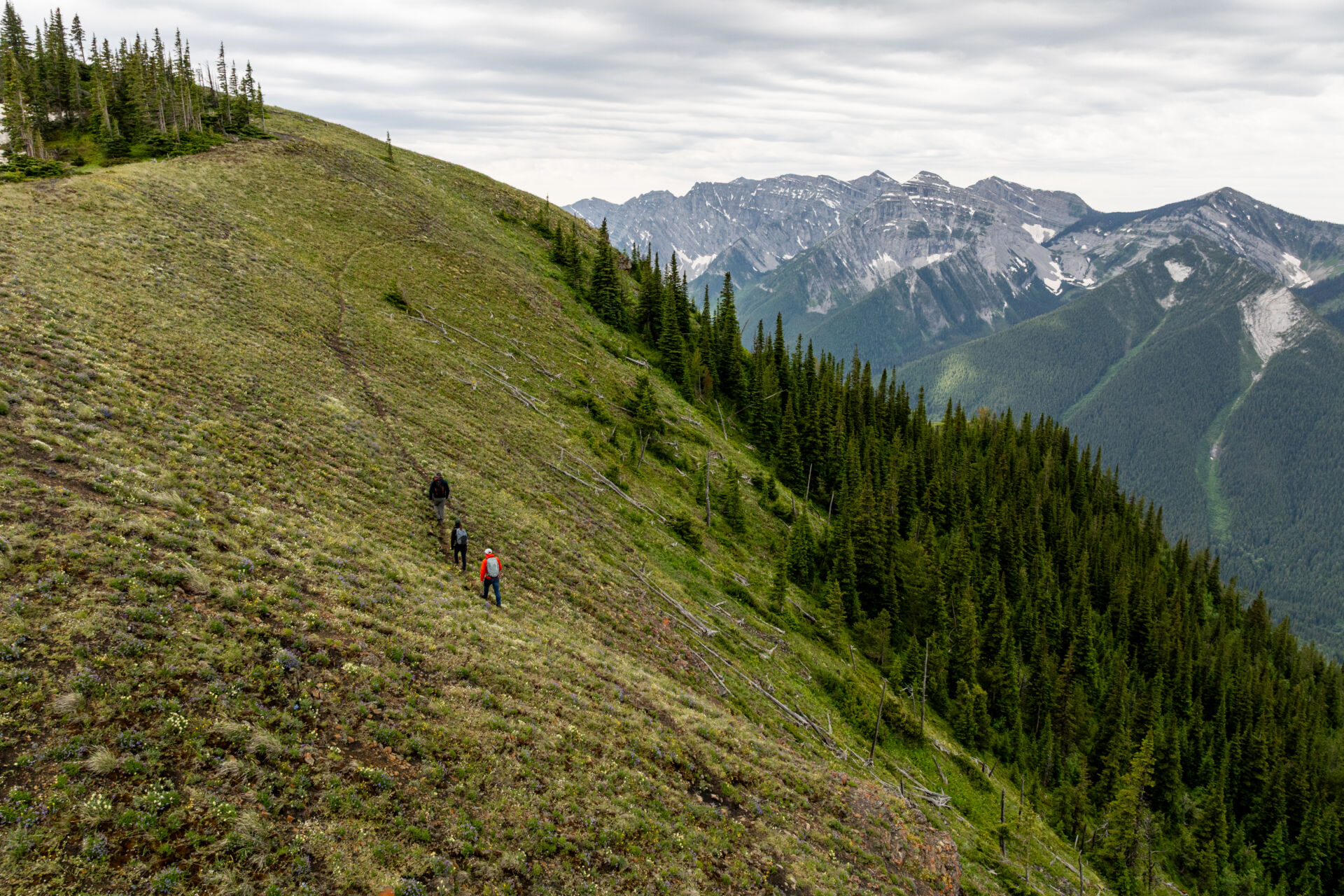

A landmark agreement has permanently protected 45,000 hectares of ecologically significant land in southeastern British Columbia, in what officials are calling one of the largest private land conservation initiatives in Canadian history.
The land, known as the Kootenay Forest Lands, is located within the traditional territory of the Ktunaxa Nation, which has formally endorsed the project. The conservation effort was led by the Nature Conservancy of Canada (NCC) in partnership with the Ktunaxa First Nations, the federal and provincial governments, Elk Valley Resources (EVR), a Glencore company, and a broad coalition of public and private donors.
A large majority of the land is located in the Elk Valley.
“The Kootenay Forest Lands are an example of what’s possible when we lead through collaboration,” said Catherine Grenier, president and CEO of the NCC. “Projects like this turn ambition into action: protecting nature, supporting communities and proving that conservation is one of our most powerful climate solutions.”
The agreement ensures the land will transition from industrial-scale forestry to a long-term conservation model, focused on restoring ecosystems, enhancing carbon storage and supporting Indigenous-led stewardship.
“Now the tasks become inventorying on what we’ve acquired and looking at the regeneration of the forest for tree planting ahead and addressing any sort of road access concerns, so will be looking at that over the course of the next year, and coming up with it with a management plan that incorporates benefitting ecological values on the land and ecosystems, and then restoring the land and working with the local community around access recreation, and compatible uses on the land that are good for wildlife and the people.” said Richard Klafki, program director for Nature Conservancy of Canada.
Decades in the making
The project is the culmination of more than two decades of work by local communities, Indigenous Nations and environmental organizations seeking to preserve the rugged terrain and watersheds of the southern Rocky Mountains.
“This wouldn’t have been possible at all without decades of relationships with the federal and provincial governments, with local First Nations, particularly the Ktunaxa First Nations and the local leisure groups and recreation groups are all very supportive of conservation, particularly in the Kootenays, because there are so many benefits of nature for people.” said Klafki.
The protected land now contributes to a network of more than 7,000 square kilometres of connected habitat stretching from the B.C. Rockies into Montana.
“The conservation of the Kootenay Forest Lands reflects Canada’s commitment to protecting nature while reducing greenhouse gas emissions,” said Julie Dabrusin, the federal minister of environment, climate change and nature. “With the endorsement of the Ktunaxa First Nations and support from governments, industry and communities, we’ve secured land that will provide lasting ecological, cultural and community benefits.”
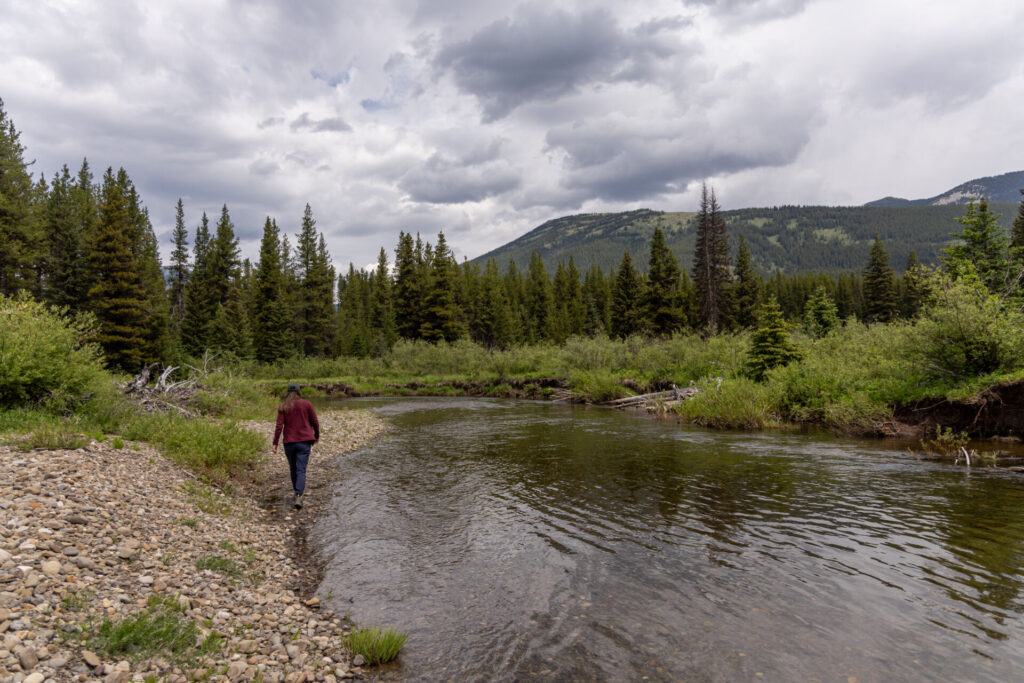
This landscape is vital for wildlife movement and ecological health, supporting grizzly bears, wolverine, lynx and bull trout. It also features rare high-elevation grasslands, ancient forests, and a multitude of streams that feed into the Elk River, a waterway renowned for its world-class fly fishing.
“British Columbia has the greatest diversity of species, ecosystems and habitats of any province or territory,” said Randene Neill, B.C.’s minister of water, land and resource stewardship. “Our government celebrates the securement of the Kootenay Forest Lands, which is the result of years of dedication and rewarding partnerships.”
Backed by a $20-million investment from EVR, the project received major funding from the federal and provincial governments, the B.C. Parks Foundation, the Fish & Wildlife Compensation Program, Columbia Basin Trust and numerous foundations and individual donors.
“Through our $20-million contribution to the Kootenay Forest Lands project, EVR is helping to conserve vital habitat while creating lasting social benefits for local communities,” said Mike Carrucan, CEO of Elk Valley Resources. “We’re proud our contribution helped make this project a reality — protecting land in the region where we operate for generations to come.”
The land will remain accessible for public recreation, but industrial development will cease. NCC said future management decisions will be guided in partnership with Ktunaxa First Nations and local communities to support ecosystem restoration, flood and fire resilience, cultural use and species protection.
“Conservation in ʔamakʔis Ktunaxa is a priority, as is ensuring ecosystems stay connected to support the well-being of the water, land and all living things,” the Ktunaxa Nation Council said in a joint statement signed by KNC chair Kathryn Teneese and the four nasuʔkins (chiefs) of the Ktunaxa First Nations. “We are committed to creating, with NCC, a process to identify each our respective interests, goals and outcomes for these lands.”
Officials said the project is a model for how Indigenous leadership, science and investment can combine to deliver conservation solutions with global relevance.
“This is a landmark achievement for B.C. and for Canada,” said Nathalie Provost, the federal secretary of state (nature). “It shows how public funding can leverage private and philanthropic support to protect rare grasslands, ancient forests and vital watersheds — delivering benefits for wildlife and communities for decades to come.”
Be the first to know! Don’t miss out on breaking news and daily updates in your area. Sign up to MyEastKootenayNow News Alerts.